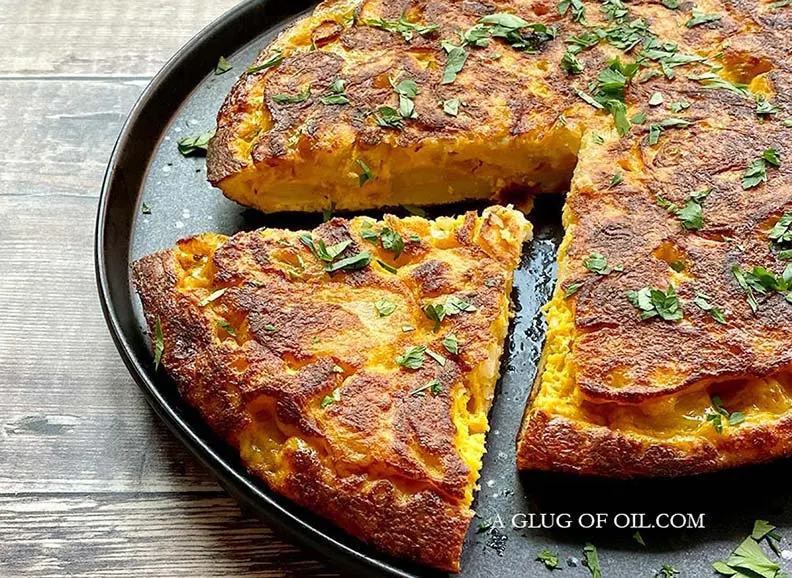
In the vibrant tapestry of Spanish cuisine, where culinary artistry intertwines with tradition, there exists a humble yet unusual dish—the Tortilla Española, or Spanish Omelette. It is a culinary masterpiece born from the simple union of two kitchen staples: eggs and potatoes. Join us on a delectable journey to explore the history, significance, and timeless appeal of this beloved Spanish dish that captures the essence of Spain’s rich gastronomic heritage.
Mastering the Art of Tortilla Española: A Culinary Guide for the Perfect Dish
Choosing the Perfect Potatoes and Onions
The quality of your potatoes and onions will substantially impact the texture and flavor of your tortilla. Spanish omelettes typically use either Yukon Gold or russet potatoes. Yukon Golds have a slightly waxy texture that holds together well during cooking, while russets have a starchier texture that yields a more tender and fluffy result. for onions, white or yellow onions are preferred for their milder flavor and lack of bitterness. Slicing the potatoes and onions thinly and evenly will ensure even cooking and prevent a mushy texture.
Unlocking the Secrets of Potatoes and Onions: The Culinary symphony That Defines Tortilla Española
Potatoes and Onions: A Culinary Symphony
These humble ingredients, when combined, create a transcendent harmony. Potatoes provide a starchy foundation, caramelizing on the edges for an irresistible crunch. Onions, meanwhile, lend their sweetness and delicate sharpness, complementing the spuds perfectly. This fusion not only elevates the tortilla’s texture but also creates a tantalizing aromatic symphony that fills the kitchen and whets the appetite. As the potatoes and onions dance in the pan,they form a cohesive bond,their flavors interwoven like a finely composed orchestra. And when topped with a sprinkling of paprika and herbs, this culinary symphony reaches its crescendo, a testament to the transformative power of these oft-overlooked vegetables.
Embarking on a Regional journey: Exploring Variations of tortilla Española Across Spain
Embarking on a Regional Journey
The versatile tortilla Española takes on distinct flavors as it traverses Spain. In the Basque Country, the tortilla de patatas reigns supreme, a classic symphony of thinly sliced potatoes and eggs. Galicia boasts the zorza, a hearty fusion of eggs, sausage, and potatoes.Andalusian cuisine contributes the tortilla de espinacas, an aromatic delight featuring spinach, onions, and eggs.Valencia serves up the escalivada torrada, a unique combination of grilled vegetables, bread, and eggs. And in Extremadura, the tortilla de pimientos enchants with the vibrant flavors of peppers. Each region’s culinary heritage breathes life into this humble dish,creating a captivating tapestry of flavors that will leave your taste buds yearning for more.
Troubleshooting the Tortilla Española: Common Pitfalls and Easy Solutions
Troubleshooting the Tortilla Española: Common Pitfalls and easy Solutions
If your tortilla española doesn’t turn out as was to be expected,here are some common pitfalls and easy solutions to help you troubleshoot:
The tortilla is too dry. If your tortilla is dry, it may be because you overcooked it or used too little oil. To prevent this,cook the tortilla on medium heat and flip it halfway through cooking so that both sides are evenly browned. You can also add a little bit more oil to the pan before flipping the tortilla.
The tortilla is too soft. If your tortilla is too soft, it may be because you didn’t cook it long enough or used too much oil. to prevent this, cook the tortilla on medium-high heat until it is golden brown on both sides. You can also use a little less oil in the pan when you’re cooking it.
The tortilla fell apart when I flipped it. If your tortilla falls apart when you flip it, it may be because it was not cooked through before you tried to flip it. To prevent this,make sure to cook the tortilla for about 2-3 minutes on each side before you flip it.
The tortilla is sticking to the pan. If your tortilla is sticking to the pan, it may be because the pan is not hot enough or you’re not using enough oil. To prevent this, make sure that the pan is hot before you add the tortilla and that there’s enough oil in the pan to prevent the tortilla from sticking.
Final Thoughts
As you savor the last golden bite of your Tortilla Española, may the flavors linger, reminding you of the vibrant tapestry of Spanish cuisine. This humble yet remarkable dish is a tribute to tradition, a fusion of eggs, potatoes, and onions, united in culinary harmony. From its humble origins as a sustenance for farmers to its cherished place on family tables and tapas bars, the Tortilla Española embodies the spirit and soul of Spain. May its legacy continue to inspire culinary adventures and evoke memories of warm gatherings and savory experiences. ¡Buen provecho!