
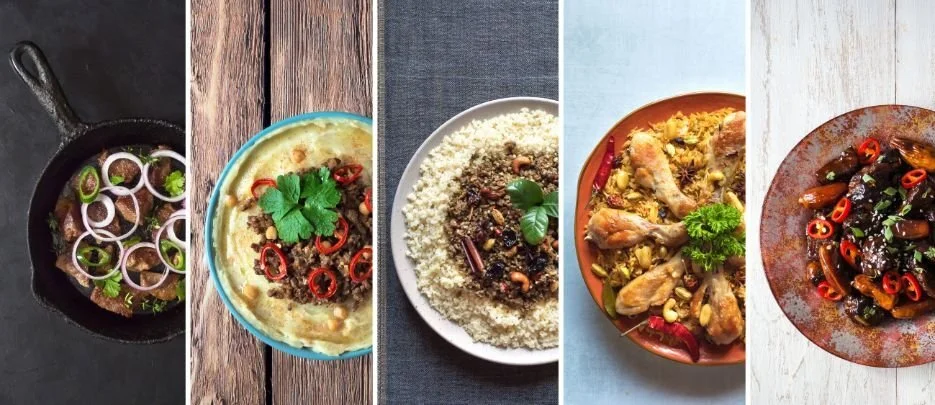
Food has always been one of the most powerful ways to understand the world. Every dish tells a story of geography, culture, and history. In 2025, global cuisines are more interconnected than ever, blending ancient traditions with modern innovation. As people travel, migrate, and share recipes online, we’re witnessing a remarkable culinary fusion that celebrates diversity and creativity on every plate.
The Global Culinary Renaissance
In recent years, the world has entered a new age of culinary exploration. Chefs are redefining traditional dishes while keeping their cultural essence alive. From Michelin-star restaurants in Tokyo experimenting with Peruvian ingredients to street vendors in Mexico City adding Korean flavors to tacos, food is crossing borders effortlessly. This exchange is not only expanding taste palettes but also creating a sense of unity among food lovers worldwide. The rise of digital platforms has allowed home cooks to learn authentic techniques from across the globe, further enriching global cuisine.
Asian Cuisine Leading the Innovation
Asian cuisines have always been rich in flavor, technique, and diversity. In 2025, they continue to lead innovation with their unique balance of taste and presentation. Japanese omakase dining, which relies on the chef’s creativity, is now being reinterpreted globally. Korean cuisine has gained immense popularity thanks to K-culture, with dishes like bibimbap, kimchi pancakes, and bulgogi becoming mainstream staples. Meanwhile, Thai and Vietnamese food are praised for their fresh ingredients and bold spices. China’s regional cuisines—from Sichuan’s fiery dishes to Cantonese dim sum—remain global favorites. Asian fusion is also a major trend, combining Eastern flavors with Western cooking methods for a modern culinary twist.
The Revival of Traditional European Cooking
Europe’s culinary heritage has always been revered, but 2025 marks a return to authenticity. After years of fine dining experiments, chefs are going back to their roots, celebrating local produce and centuries-old recipes. Mediterranean cuisine continues to dominate health-conscious dining with its focus on olive oil, fresh vegetables, and lean proteins. In Italy, the slow food movement has grown stronger, emphasizing handmade pasta, artisanal cheese, and region-specific wines. France, known for its culinary prestige, has seen a new wave of sustainable fine dining where chefs use farm-to-table ingredients and reduce food waste. Meanwhile, Nordic countries like Denmark and Sweden are redefining “new simplicity,” crafting beautiful yet minimal dishes that highlight local ingredients and seasonal produce.
The Rise of African Flavors
African cuisines are finally gaining global recognition in 2025. Once underrepresented in the international food scene, African dishes are now celebrated for their depth, variety, and use of indigenous ingredients. West African cuisine, with staples like jollof rice, suya, and egusi soup, is spreading rapidly through restaurants in Europe and the United States. North African food—rich with spices like cumin, coriander, and saffron—offers flavorful tajines and couscous dishes. In the southern regions, smoky grilled meats and maize-based dishes have become popular comfort foods. Chefs are not only modernizing African cuisine but also highlighting its role in sustainability by using native grains such as fonio, millet, and sorghum.
Middle Eastern Cuisine in the Global Spotlight
The Middle East’s culinary influence continues to expand as people around the world fall in love with its aromatic dishes. Hummus, falafel, and shawarma have become staples in Western diets, while fine dining establishments are showcasing complex flavors like saffron rice, lamb kebabs, and pomegranate molasses-based sauces. Lebanese, Turkish, and Persian cuisines are merging traditional cooking with modern presentation. In 2025, the global trend of healthy eating has also embraced Middle Eastern cuisine because of its reliance on olive oil, legumes, and fresh herbs. Food enthusiasts are increasingly drawn to the communal nature of these meals, where sharing is part of the experience.
Latin America’s Bold Culinary Identity
Latin American food is known for its vibrancy, both in color and taste. In 2025, it continues to impress global palates with its blend of indigenous, African, and European influences. Mexican cuisine remains a UNESCO-recognized cultural treasure, and chefs are elevating it further with farm-fresh ingredients and creative plating. Peruvian dishes like ceviche and lomo saltado remain international hits, while Brazil’s diverse flavors—ranging from Amazonian fish dishes to churrasco barbecue—capture the imagination of food lovers everywhere. Argentina’s passion for beef and Uruguay’s growing wine scene are also adding depth to Latin America’s culinary prestige.
North American Fusion Culture
North America’s food scene thrives on diversity and innovation. The United States and Canada have become melting pots of cuisines, where every culture finds representation. In 2025, plant-based dining and fusion cuisine dominate urban menus. Dishes like sushi burritos, kimchi tacos, and Mediterranean bowls reflect the continent’s open-minded approach to food. Street food festivals and food trucks continue to play a vital role in culinary experimentation. At the same time, indigenous ingredients like bison, wild rice, and maple syrup are being rediscovered, reconnecting modern chefs with ancestral traditions. The concept of “glocal” dining—global inspiration with local ingredients—is reshaping North American gastronomy.
The Importance of Sustainable and Ethical Dining
Sustainability has become a defining theme of 2025’s global culinary landscape. Consumers are more conscious about where their food comes from and how it impacts the planet. Farm-to-table restaurants, zero-waste kitchens, and ethical sourcing are no longer trends but expectations. Chefs are championing biodiversity by using lesser-known grains, roots, and vegetables. Seafood lovers are turning toward responsibly sourced fish to combat overfishing. In many parts of the world, urban farming and hydroponic systems are helping cities grow their own produce. The culinary world is learning that great taste must also come with responsibility toward the environment and society.
Technology’s Influence on Culinary Diversity
Technology is transforming how we experience global cuisine. In 2025, smart kitchens, AI-assisted cooking tools, and food delivery robots are part of everyday life. However, the real revolution lies in how tech connects people through food. Virtual cooking classes allow chefs from different continents to collaborate in real time. Food apps now recommend dishes based on mood, health goals, and sustainability factors. Social media continues to drive culinary trends, making recipes from remote corners of the world go viral overnight. Yet, amid all this digital transformation, the essence of cooking—human creativity and cultural expression—remains irreplaceable.
Street Food as a Global Equalizer
Street food is often where the heart of a cuisine truly lies. In 2025, it remains the most authentic way to experience a country’s culinary identity. From Indian chaat stalls and Thai night markets to Turkish kebab stands and American food trucks, street food celebrates accessibility, flavor, and community. Many Michelin-star chefs are even drawing inspiration from these humble beginnings, reimagining classic street dishes in fine dining settings. Street food’s universal appeal lies in its ability to bring people together regardless of background or budget, reminding us that great food doesn’t have to be expensive.
The Role of Culture and Identity in Food
Food is more than sustenance—it’s identity. As the world becomes more globalized, many communities are using cuisine to preserve their heritage. Diaspora chefs are blending nostalgia with innovation, creating dishes that reflect their roots while appealing to modern tastes. Festivals and cultural exchanges centered around food are increasing, allowing people to celebrate their heritage proudly. In 2025, cultural appreciation through food is encouraged, while cultural appropriation is discussed more responsibly, ensuring respect for authenticity and origins.
Future of Global Cuisine Beyond 2025
Looking ahead, global cuisine will continue to evolve through inclusivity, sustainability, and creativity. The boundary between local and international food will blur even more as new technologies and global awareness shape dining habits. Future generations will value authenticity but will also seek innovation. The fusion of diverse flavors will remain the heart of culinary progress. Whether it’s a futuristic restaurant using lab-grown ingredients or a grandmother’s traditional recipe shared online, the essence of global cuisine will always lie in connection—connecting people, cultures, and stories through food.