
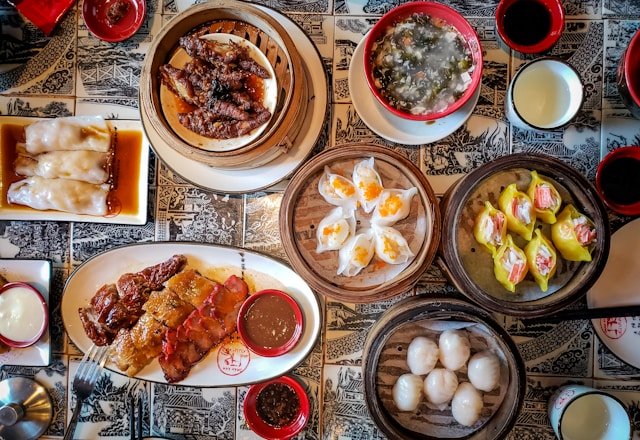
Food has always been a universal language—one that speaks through flavor, color, and creativity. In recent years, no cuisine has influenced the global dining scene as profoundly as Asian fusion. Combining traditional Asian techniques with international ingredients and modern presentation, this culinary movement has captured hearts and taste buds everywhere. From bustling street markets in Bangkok to Michelin-star restaurants in New York, Asian fusion is reshaping the way we experience food. It’s not just about mixing flavors—it’s about storytelling, innovation, and celebrating diversity on a plate. Let’s explore the fascinating world of Asian fusion dishes that have become global favorites.
The Evolution of Asian Fusion Cuisine
Asian fusion isn’t a new concept, but in 2025, it’s more popular and creative than ever. Originally born from migration and cultural exchange, fusion cooking evolved as chefs blended familiar Asian flavors with Western techniques. Early examples came from regions like Hawaii, where Japanese, Chinese, and Polynesian influences naturally merged. Today, Asian fusion represents a global movement. Chefs from Seoul to San Francisco experiment with sushi tacos, kimchi burgers, and Thai curry pasta, creating dishes that reflect a multicultural world. The best fusion recipes maintain harmony—respecting tradition while embracing innovation.
The Philosophy Behind Fusion Cooking
At its core, fusion cooking is about balance. The goal isn’t to replace authentic dishes but to reimagine them. Asian fusion chefs often use contrast to excite the palate—sweet with spicy, creamy with tangy, or crunchy with soft. These combinations mirror the diversity of Asia itself, from Japan’s minimalist approach to India’s bold spice palette. Successful fusion dishes feel natural, not forced, blending the soul of one culture with the creativity of another. It’s this spirit of experimentation and respect that makes Asian fusion so captivating.
Popular Asian Fusion Dishes Taking the World by Storm
Across the globe, food lovers can’t get enough of Asian fusion. Here are some standout dishes that perfectly capture the excitement of this culinary trend.
Sushi Burrito
A perfect example of East meets West, the sushi burrito combines Japanese precision with American indulgence. Large sheets of nori are filled with sushi rice, raw fish, vegetables, and sauces, then rolled like a burrito. It’s portable, fresh, and satisfying—a street food favorite in major cities. The sushi burrito proves how traditional ingredients can take on a new life when reimagined with creativity.
Korean Tacos
This trend started in Los Angeles and quickly became a global sensation. Korean barbecue meats like bulgogi or spicy pork are served in soft tortillas with kimchi, sesame seeds, and gochujang sauce. The smoky, spicy, and tangy flavors blend seamlessly with the Mexican base, creating a dish that feels both familiar and new. Korean tacos embody everything that makes fusion cooking exciting—unexpected harmony and bold taste.
Ramen Burger
When New York chef Keizo Shimamoto created the ramen burger, he sparked a worldwide craze. Instead of a bun, crispy fried ramen noodles hold together a juicy beef patty, greens, and special sauce. It’s crunchy, savory, and irresistibly unique. The ramen burger represents the playful side of Asian fusion—a willingness to break rules while honoring traditional ingredients.
Thai Curry Pasta
Italian comfort meets Thai heat in this luscious creation. Spaghetti or linguine is tossed in creamy coconut curry sauce infused with lemongrass, chili, and basil. The pasta absorbs the rich flavors beautifully, resulting in a dish that feels luxurious yet comforting. Thai curry pasta is a prime example of how fusion can elevate everyday ingredients into something extraordinary.
Dim Sum Sliders
Mini steamed buns filled with pulled pork, hoisin sauce, and pickled vegetables have become a hit in fusion restaurants worldwide. They merge the delicacy of Chinese dim sum with the casual appeal of Western sliders. Their soft, pillowy texture and rich umami filling make them a crowd favorite at both street food stalls and upscale bistros.
The Influence of Japanese Fusion
Japanese cuisine is known for its precision, freshness, and artistry—qualities that make it ideal for fusion. In 2025, Japanese fusion continues to inspire chefs globally. Dishes like teriyaki salmon tacos, matcha cheesecakes, and miso-infused pasta are now staples in many modern restaurants. Japanese fusion focuses on subtlety and texture rather than overwhelming spice. For example, using umami-rich miso or soy to add depth to non-Asian recipes has become a culinary secret weapon. Even cocktails are evolving—think yuzu margaritas and sake-based spritzers. The clean, balanced philosophy of Japanese cooking ensures that fusion dishes remain elegant and harmonious.
Korean Fusion’s Bold and Spicy Revolution
Korean cuisine brings heat, fermentation, and flavor complexity to fusion cooking. In recent years, gochujang—a fermented chili paste—has become a global pantry staple. Korean fusion often emphasizes contrast: crunchy fried chicken with spicy glaze, or rich cheese paired with kimchi. Korean fried chicken tacos, bibimbap burritos, and kimchi quesadillas are adored worldwide. The combination of spice, sweetness, and tang gives every bite an addictive kick. What’s more, Korean culture’s vibrant energy influences the presentation—bright colors, street-style plating, and youthful appeal make these dishes irresistible on both taste and Instagram.
Chinese Fusion: Reinventing Tradition
Chinese cuisine’s immense regional diversity makes it a natural fit for fusion. In 2025, Chinese fusion dishes are evolving beyond the typical “American-Chinese” recipes. Modern chefs are reinventing classics like Kung Pao chicken or Peking duck with creative twists. Imagine Peking duck tacos, Sichuan pepper-infused fries, or bao stuffed with pulled brisket. These dishes preserve Chinese cooking methods—stir-frying, steaming, roasting—but integrate new global influences. Dim sum-inspired tapas and noodle salads with Mediterranean flavors are now common in international restaurants. The versatility of Chinese cuisine ensures that it remains at the forefront of global fusion trends.
Southeast Asian Flavors Making Waves
From Thailand and Vietnam to Indonesia and Malaysia, Southeast Asian cuisines offer vibrant, aromatic flavors that work beautifully in fusion cooking. Thai basil joins Italian pesto, Vietnamese fish sauce enhances marinades, and Indonesian peanut sauce transforms grilled meats. Dishes like Vietnamese banh mi burgers, Thai chili wings, and Malaysian laksa pasta have become international favorites. The key lies in the bold yet balanced flavor profiles—sweet, spicy, salty, and sour. These combinations not only excite the palate but also reflect the region’s cultural diversity.
Indian Fusion: Spice Meets Creativity
India’s culinary heritage is one of the richest in the world, and its bold spices make it perfect for fusion innovation. In 2025, Indian fusion continues to dominate with global hits like butter chicken pizza, curry ramen, and tikka masala pasta. Chefs experiment by infusing Indian spices into Western comfort foods—think turmeric mac and cheese or chai-spiced desserts. Even street food classics like samosas and dosas are being reinterpreted in fusion styles. What makes Indian fusion special is its warmth and complexity; every bite tells a story of flavor evolution rooted in centuries of tradition.
Southeast Asian and Western Dessert Fusions
Fusion isn’t just for savory dishes—it’s redefining desserts too. Asian flavors like matcha, black sesame, pandan, and ube (purple yam) are now beloved worldwide. Matcha tiramisu, ube cheesecake, and pandan pancakes have become trendy café staples. These desserts combine Western presentation with Asian depth of flavor. For instance, matcha adds earthy sophistication to sweet dishes, while coconut milk provides creamy richness without heaviness. The world’s sweet tooth has found a new muse in Asia’s natural ingredients, and the result is a dessert revolution.
The Role of Street Food in Fusion Innovation
Street food has always been the heartbeat of culinary creativity. In cities like Bangkok, Seoul, and Manila, local vendors constantly reinvent classic dishes with global twists. Their experimentation often inspires high-end chefs to bring those ideas into fine dining. Fusion street food—like sushi burritos, Korean corn dogs, or Thai tacos—represents the accessibility and energy of modern dining. Street vendors prove that great fusion doesn’t need fancy tools—just imagination, passion, and an understanding of what people love to eat.
Fusion Dining Culture in the West
Western countries have embraced Asian fusion with open arms. Restaurants across the United States, Europe, and Australia now feature menus blending flavors from multiple Asian regions. Diners love the sense of adventure these dishes bring—familiar enough to comfort but different enough to excite. For example, California rolls introduced sushi to mainstream America, while poke bowls popularized Hawaiian-Japanese flavors. In Europe, fusion bistros experiment with noodles, sauces, and dumplings to create refined yet approachable meals. The popularity of Asian fusion reflects a global appetite for diversity, creativity, and cultural connection.
Home Cooking and Fusion Simplicity
One of the best things about Asian fusion is its accessibility for home cooks. You don’t need professional equipment to experiment—just curiosity and a few pantry essentials like soy sauce, sesame oil, curry paste, and chili flakes. Many fusion recipes are quick, nutritious, and perfect for modern lifestyles. For instance, stir-fried noodles with teriyaki sauce and roasted vegetables can be ready in minutes. Even leftovers can become fusion masterpieces—yesterday’s rice turns into fried rice burritos or kimchi fried rice cakes. Home cooks are increasingly blending flavors intuitively, proving that fusion isn’t just a trend—it’s a mindset.
Health and Sustainability in Fusion Cuisine
Beyond flavor, fusion cuisine in 2025 reflects growing awareness about health and sustainability. Many chefs emphasize plant-based ingredients, locally sourced produce, and reduced food waste. Asian cooking naturally lends itself to this because of its focus on vegetables, grains, and light cooking methods. Vegan ramen, tofu tacos, and jackfruit curry wraps are examples of fusion dishes that combine nutrition with excitement. Additionally, the use of fermented ingredients like kimchi and miso promotes gut health, making fusion not only delicious but also good for you. This shift toward mindful cooking ensures fusion cuisine remains relevant and responsible.
The Future of Asian Fusion Cuisine
As cultures continue to blend, the future of Asian fusion looks brighter than ever. Chefs are experimenting with technology—3D-printed sushi, AI-curated flavor combinations, and virtual dining experiences that pair food with immersive visuals. Yet, even as innovation accelerates, the heart of fusion remains the same: creativity inspired by tradition. The next wave of fusion will focus on inclusivity, sustainability, and storytelling through food. As long as people are curious about other cultures, fusion cuisine will keep evolving—bridging continents and connecting hearts, one dish at a time.
Conclusion: A World United by Flavor
Asian fusion is more than just a culinary trend—it’s a celebration of global unity through food. It honors traditions while daring to dream beyond borders. Every sushi burrito, curry taco, or matcha cheesecake tells a story of cultural exchange and shared joy. Whether you’re dining in a high-end restaurant or cooking at home, fusion dishes remind us that creativity thrives where cultures meet. As the world grows closer, our plates reflect that beautiful connection. Asian fusion cuisine is not just food—it’s a flavorful symbol of togetherness.