In a world where culinary adventures ignite taste buds and spark cultural exchanges, certain food preferences often transcend borders. Tho,as American cuisine travels across the atlantic,it encounters a tantalizing paradox: some dishes are met with enthusiastic applause,while others face polite but resolute rejection from European palates.Join us on a delectable journey as we unveil 17 American foods that have failed to woo the hearts and taste buds of our transatlantic neighbors – and why these culinary creations have earned a resounding ”no thanks!”
Culinary Clashes: Why Europeans Draw the Line at American Delicacies
Food anathema: Europeans, known for their refined palates and culinary prowess, blanch at certain American treats that have somehow managed to worm their way into the gastronomic lexicon. From bizarre combinations to teeth-aching sweetness, these culinary curiosities are met with a resounding “no thanks.” Here is a peek into the culinary clash that arises when American favorites encounter European gastronomic sensibilities:
| Offending Treat | | Manifestation of Culinary Discord |
| Canned Cheese | | A sprayable, cheese-like substance that leaves most Europeans in a state of utter bewilderment and disgust.
| American Chopsuey | | A mutant dish that has garnered mockery and bafflement in equal measure.
| Fluffernutter | | A saccharine concoction of marshmallow fluff and peanut butter that unleashes a symphony of sweetness that many Europeans find unbearable.
| Country Crock | | A tub of margarine that has earned its own dubious reputation for its questionable resemblance to actual butter.
| Sweet pickles | | A sugar-laden perversion of the classic dill pickle, eliciting a grimaced expression upon any European encounter.
Exploring Palatal differences: Understanding European Aversions to American Cuisine
Understanding European Palates: Why They’re not Fans of American favorites
The American palate is frequently enough described as bold,sweet,and oversized.However, these characteristics can be jarringly off-putting to Europeans, whose tastes have been shaped by centuries of culinary traditions. Among the most unappealing American foods for Europeans are those that are overly sugary, laden with processed cheese, or infused with excessive amounts of salt. As a notable example,Europeans tend to be put off by the ubiquitous American habit of topping desserts with oceans of whipped cream and sprinkles,or by the abundance of processed cheese in dishes like macaroni and cheese. Additionally,Europeans may find American portions to be overwhelmingly large,leading to a culture of food waste that contrasts starkly with their emphasis on mindful consumption. Ultimately, understanding these palatal differences is crucial for appreciating the nuanced culinary preferences that define both European and American cultures.
| European Taste Preference | American Cuisine | Reason for Dislike
| Subtle sweetness with no artificial flavors | Extremely sugary desserts | Artificial sweetness is overpowering
| Use of whole,unprocessed cheese | Processed cheeses | Processed cheeses lack flavor and texture
| Moderate flavor profiles with a focus on balance | High levels of salt and fat Overly salty and fatty foods can be off-putting
| Savory breakfasts,vegetables at every meal | Pancakes,sugary cereals | Europeans prefer savory flavors in the morning
| Portion sizes that are just enough | Oversized portions | Food waste is discouraged in Europe
Sweet and Savory Surprises: American Foods that Europeans Reject and Why
Sweet and Savory Surprises
prepare to be surprised as we delve into the land of culinary contradictions,where American delights that tickle our taste buds are met with a resolute “no thanks” from our European counterparts. From sugary concoctions to meat-centric creations, we’ll explore the reasons behind this cultural divide, leaving you both intrigued and questioning your own culinary preferences.So, brace yourselves for a journey through the sweet and savory surprises that have Europeans turning up their noses.
Adapting American Classics for European Taste Buds: A Guide for Fusion Foodies
17 American foods Europeans Say a Strong “No Thanks” to and Why
While American cuisine has gained popularity worldwide, certain dishes have failed to capture the hearts (or palates) of Europeans. From over-the-top breakfasts to sugary snacks, here are 17 American foods that Europeans often decline:
- Sweet Potatoes with Marshmallows: This Thanksgiving staple is met with incredulity by Europeans, who find the combination of sweet potatoes and sugary marshmallows perplexing.
- Pumpkin Pie: The earthy flavor and gooey texture of pumpkin pie often leave Europeans unimpressed, as they prefer fruit-based pies or tarts.
- Deviled Eggs: While many Americans love deviled eggs as a party appetizer, Europeans view the mayonnaise-based filling as unappetizing.
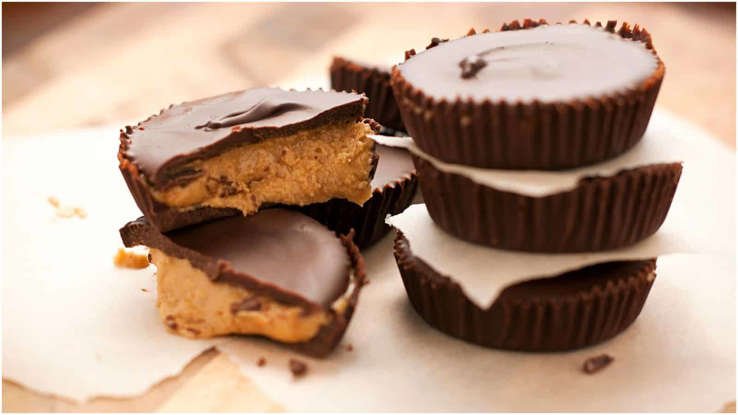
- peanut Butter and Jelly Sandwiches: The classic American lunchbox staple is often rejected by Europeans, who find the combination of sweet and salty flavors unappealing.
- Marshmallow Fluff: This sticky, sugary spread is an acquired taste that many Europeans cannot appreciate.
- Root Beer: The unusual flavor of root beer is often met with disgust by Europeans, who prefer more familiar soda flavors.
- Cheetos: These brightly colored cheese puffs are considered too artificial and unhealthy for European tastes.
- Fun Dip: This childhood candy,which involves dipping a stick into sugary powder,is seen as too childish and messy by Europeans.
- Grits: The cornmeal porridge is often considered bland and uninspired by Europeans, who prefer oatmeal or yogurt for breakfast.
- Corn Dogs: This carnival food, consisting of a hot dog on a stick dipped in cornmeal batter, is seen as greasy and unhealthy by Europeans.
- Spam: The canned meat product is considered low-quality and unappealing by most Europeans.
- Marshmallow Peeps: These brightly colored marshmallow candies are often dismissed as novelty items with little flavor.
- Chicken and Waffles: This Southern comfort food combination is frequently enough met with confusion by Europeans,who find the pairing of sweet and savory flavors unusual.
- Fiery Hot Cheetos: These ultra-spicy snacks are too intense for most European palates, who prefer a more moderate level of heat.
- Large Soda Portions: The supersized soda cups common in America are seen as excessive and unhealthy by Europeans, who prefer smaller servings.
- Apple Pie with Ice Cream: While apple pie is enjoyed in Europe, the addition of ice cream is frequently enough seen as too sweet and rich.
- Cupcakes: The overly sweet frosting and artificial flavors of cupcakes are frequently enough overwhelming to European tastes,who prefer simpler cakes and pastries.
The Conclusion
As we bid farewell to this culinary expedition, let us reflect on the transformative power of food and the engaging disparities it can evoke across cultures. The gustatory chasm between America and Europe highlights not only their contrasting palates but also the rich tapestry of culinary traditions that define our world.While some American delicacies may leave Europeans exclaiming “Merci, mais non!” with a wry smile, others may entice them with their bold flavors and unexpected twists. Remember, the true joy of food lies in exploring its diversity and embracing the culinary adventures that await us beyond our familiar shores.