
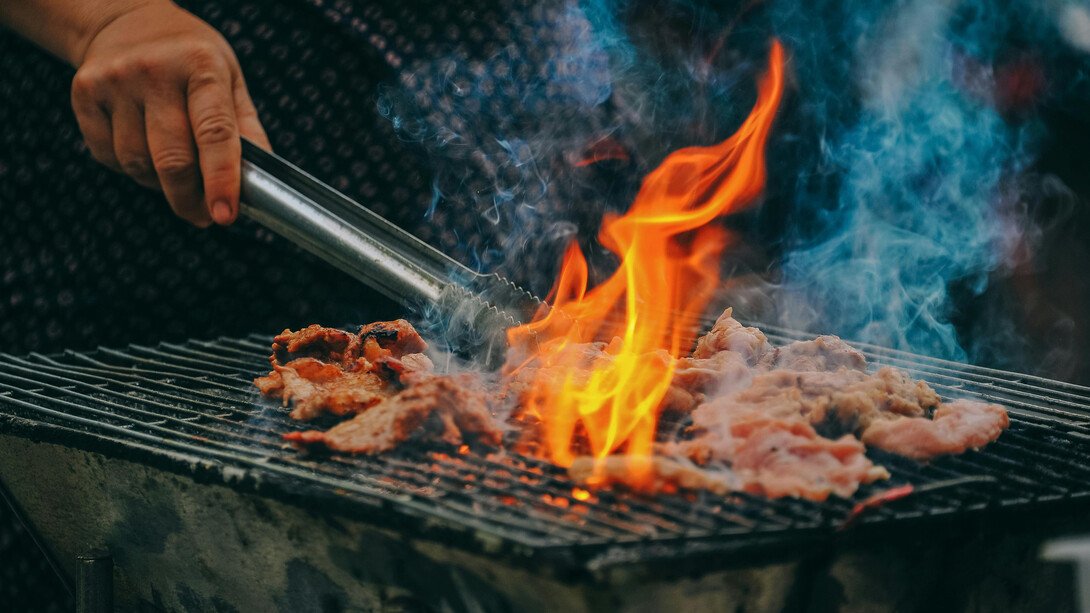
There’s something timeless and satisfying about the aroma of grilled or roasted food wafting through your home. Whether it’s the smoky char of grilled vegetables, the crispy perfection of roasted chicken, or the caramelized crust on a steak, these cooking techniques turn simple ingredients into culinary masterpieces. Grilling and roasting may look straightforward, but achieving restaurant-quality results at home requires understanding the science, the technique, and the art behind them. This guide will help you master both cooking styles so you can bring out deep, rich flavors every time—whether you’re using a backyard grill or your kitchen oven.
Understanding the Difference Between Grilling and Roasting
Grilling and roasting are both dry-heat cooking methods that enhance flavor through caramelization and browning, but they differ in temperature, equipment, and cooking style. Grilling typically involves direct heat at high temperatures, usually over an open flame or hot coals, creating a smoky and charred flavor. It’s perfect for quick-cooking foods like meats, vegetables, and seafood. Roasting, on the other hand, uses indirect heat in an oven, where hot air circulates around the food. This slower cooking process allows for even browning and tender interiors, making it ideal for larger cuts of meat, poultry, and root vegetables. Understanding when to grill versus roast is the first step to mastering these culinary techniques.
The Science of Perfect Browning
Both grilling and roasting rely on the Maillard reaction, a chemical process that occurs when amino acids and sugars in food react under heat. This reaction creates hundreds of complex flavor compounds responsible for the savory taste and golden-brown color we associate with perfectly cooked food. To maximize browning, ensure your food is dry before cooking. Moisture on the surface can cause steaming rather than caramelizing. Preheating your grill or oven also helps achieve consistent results and prevents sticking or uneven cooking.
Choosing the Right Tools and Equipment
Great results start with great tools. For grilling, a sturdy grill—whether charcoal, gas, or electric—makes a huge difference. Charcoal grills provide deep, smoky flavors, while gas grills offer convenience and temperature control. Essential accessories include a grill brush, tongs, meat thermometer, and a wire rack for resting. For roasting, invest in a heavy-duty roasting pan, a wire rack to elevate food for even heat circulation, and a reliable oven thermometer. High-quality tools don’t just make cooking easier; they also ensure safety and precision in temperature management.
The Importance of Preheating
One of the most common mistakes in home grilling and roasting is skipping preheating. Preheating ensures your food starts cooking immediately upon contact, locking in juices and developing that golden sear. For grills, preheat for 10–15 minutes until the grates are hot enough to sizzle when food touches them. In ovens, set the desired temperature and wait until it fully reaches the target before placing food inside. Patience here leads to more flavorful and evenly cooked results.
Marinating and Seasoning for Maximum Flavor
A well-made marinade can transform a simple dish into something extraordinary. For grilling, marinades help tenderize meat and infuse deep flavors. Common ingredients include oil, acid (like lemon juice or vinegar), herbs, and spices. Allow meats to marinate for at least 30 minutes—longer for thicker cuts. When roasting, seasoning is equally crucial. Rub your meats or vegetables with olive oil, salt, pepper, and herbs before roasting. Dry rubs are excellent for creating a crisp, flavorful crust. The goal is balance—enough seasoning to enhance flavor without overpowering the natural taste of the food.
Grilling Techniques for Beginners and Experts
Grilling is both art and technique. Start with understanding heat zones—direct and indirect heat. Direct heat cooks food quickly, giving it a charred exterior, while indirect heat cooks gently, ideal for thicker cuts. Keep the lid closed to maintain temperature and prevent flare-ups. For meats like steaks or burgers, avoid flipping too often; one good flip ensures even browning. For vegetables and seafood, use grill baskets or skewers for easy handling. Brushing food lightly with oil helps prevent sticking and adds shine.
Roasting Techniques That Deliver Perfect Results
Roasting requires patience and precision. Always preheat your oven and use the middle rack for even air circulation. Space items out on the tray so they roast, not steam. For meats, begin roasting at a high temperature to brown the exterior, then lower the heat to cook through gently. This two-step method ensures crisp skin and juicy interiors. Vegetables should be cut evenly and tossed in oil before roasting. Stir halfway through cooking for consistent caramelization. Always allow meats to rest after roasting to retain their juices.
The Role of Temperature in Flavor and Texture
Temperature control is key in both grilling and roasting. High heat caramelizes sugars and creates crusts, while moderate heat ensures tenderness inside. Use a food thermometer for precision—chicken should reach 165°F (74°C), beef steaks around 135°F (medium-rare), and fish around 145°F (63°C). In roasting, vegetables usually cook perfectly between 400°F and 425°F (200°C–220°C). Understanding these ranges prevents overcooking or dryness and ensures every dish is flavorful and tender.
Common Mistakes to Avoid
Even seasoned cooks make errors when grilling or roasting. Avoid overcrowding your grill or pan—it traps steam and prevents browning. Don’t press meats while grilling; it releases juices and dries them out. Another common mistake is cutting meat too soon after cooking. Always rest it for at least five minutes. Also, avoid using too much sauce during grilling; sugar-based sauces can burn quickly. Instead, brush sauces on near the end of cooking for a glossy, flavorful finish.
Grilling Vegetables to Perfection
Vegetables shine on the grill when handled right. Choose firm varieties like bell peppers, zucchini, mushrooms, and corn. Brush them lightly with olive oil and season simply with salt and pepper. Grill over medium heat until tender and slightly charred. For delicate vegetables like asparagus or cherry tomatoes, use skewers or a grill basket. The goal is to enhance natural sweetness through caramelization while keeping a pleasant bite. Grilled vegetables can serve as sides, salad toppings, or even main dishes.
Roasting Vegetables for Maximum Flavor
Roasting vegetables transforms their natural sugars into deep, nutty sweetness. Root vegetables like carrots, potatoes, and beets roast beautifully at high heat. Toss them in olive oil, salt, pepper, and herbs, then spread in a single layer on a baking sheet. Flip halfway through cooking for even browning. For extra crispness, avoid overcrowding the pan. Roasted vegetables pair well with almost any dish, adding color, texture, and earthy flavor to your table.
Perfecting Grilled Meats
Grilling meats like chicken, steak, or fish requires understanding timing and technique. For chicken, maintain medium heat and cook until juices run clear. Steaks benefit from high heat to form a crust, then indirect heat to reach the desired doneness. Fish should be grilled with the skin on to hold shape and prevent sticking. Always oil the grill grates and let the meat rest before serving. A finishing touch of butter or fresh herbs elevates the flavor even more.
Mastering the Roast Chicken
A well-roasted chicken is the ultimate home-cooked comfort food. Start by patting the chicken dry and rubbing it with butter or olive oil. Season generously with salt, pepper, garlic, and herbs like rosemary or thyme. Roast at 425°F (220°C) for 15 minutes to crisp the skin, then reduce to 375°F (190°C) and continue roasting until the internal temperature reaches 165°F (74°C). Let it rest before carving. The result? Golden, crispy skin and juicy, flavorful meat every time.
Exploring Flavor Pairings and Seasonings
Flavor pairing is what makes grilled and roasted dishes unforgettable. Classic combinations like lemon and herbs for chicken, garlic and rosemary for lamb, or chili and lime for seafood bring depth and balance. Spices like smoked paprika, cumin, and coriander enhance grilled foods with warmth and color. For roasting, try thyme, oregano, or a drizzle of balsamic glaze. Experimentation is key—mix global flavors like Asian soy marinades or Mediterranean herb blends to create unique culinary experiences at home.
Adding Smoke for Authentic Grilled Flavor
The smoky essence of grilled food is one of its biggest appeals. You can achieve it even without a charcoal grill by using wood chips, smoking boxes, or liquid smoke. For charcoal grills, soak wood chips in water and add them to the coals for an authentic smoky aroma. For gas grills, place wood chips in a foil pouch with small holes and put it near the burners. Even in ovens, smoked paprika or chipotle powder can mimic that smoky taste beautifully.
Roasting Beyond Meats and Vegetables
Roasting isn’t limited to savory dishes—it’s also a powerful technique for desserts. Roasted fruits like peaches, apples, or pineapples develop rich, caramelized flavors perfect for topping ice cream, pancakes, or yogurt. You can also roast nuts to intensify their aroma and add crunch to salads or desserts. The same principles apply: moderate heat, light oil coating, and turning halfway for even browning.
Cleaning and Maintaining Your Equipment
Proper maintenance extends the life of your grill or oven and ensures better-tasting food. After grilling, clean the grates while still warm using a grill brush to remove residue. Oil the grates lightly before your next use to prevent rust. For roasting pans, soak in warm water to loosen baked-on bits, then scrub gently. Regular cleaning prevents unwanted smoke and preserves the natural flavor of your dishes.
Health Benefits of Grilling and Roasting
Both methods are among the healthiest cooking techniques when done right. They use minimal oil, preserve nutrients, and allow excess fat to drip away. Grilled foods retain more vitamins and minerals compared to frying, and roasting brings out natural sweetness without added sugar. Pair these methods with lean proteins and plenty of vegetables for balanced, nutritious meals that don’t compromise on flavor.
Conclusion: Bringing the Flame and Heat Home
Grilling and roasting are not just cooking methods—they’re culinary arts that celebrate flavor, texture, and creativity. Mastering them means understanding heat, timing, and seasoning. From smoky grilled meats to golden roasted vegetables, these techniques allow you to transform everyday ingredients into something truly extraordinary. With a little practice, patience, and passion, you can bring restaurant-quality dishes to your own kitchen and enjoy the satisfying art of fire and flavor right at home.