
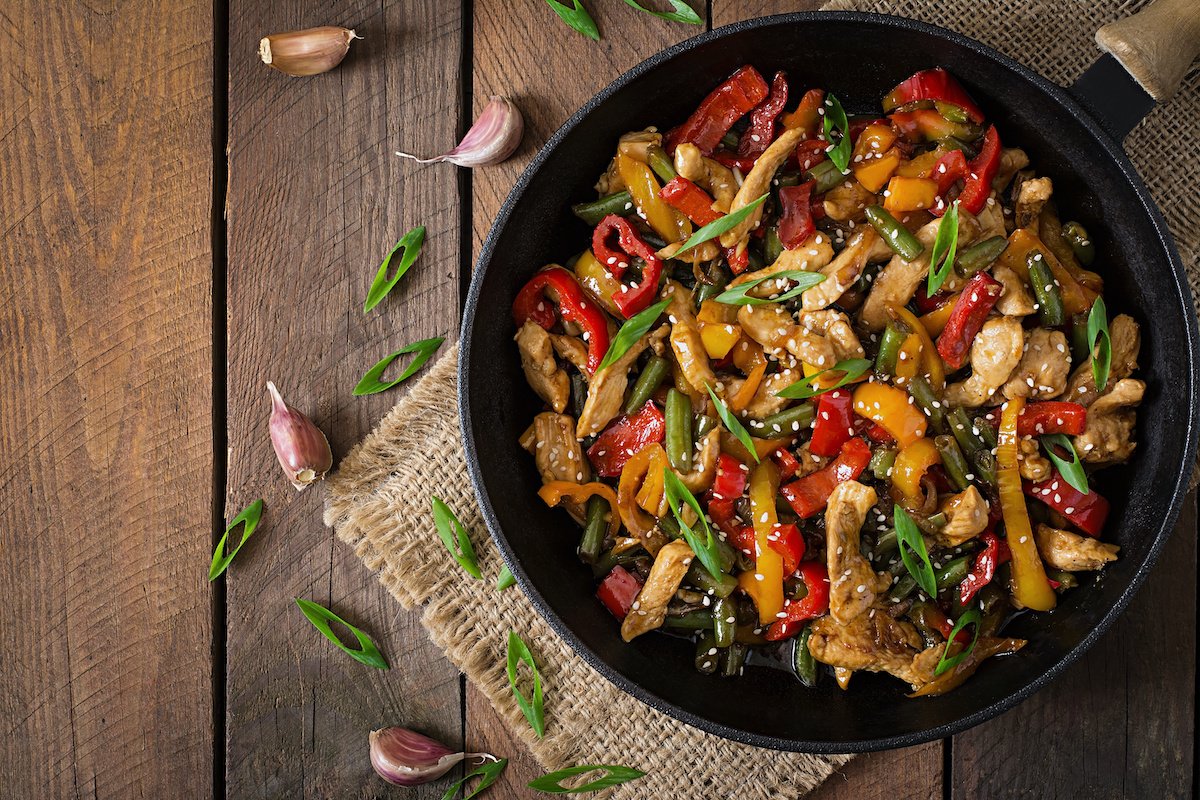
Cooking techniques are the foundation of great food, and few methods capture flavor, texture, and aroma as beautifully as sautéing and stir-frying. Both techniques are fast, flavorful, and versatile, making them essential for anyone who loves cooking at home. Whether you’re a beginner or an experienced cook, mastering these methods will help you bring out the best in your ingredients while saving time in the kitchen. Let’s explore how to perfect sautéing and stir-frying step by step.
Understanding Sautéing and Stir-Frying
Sautéing and stir-frying share similarities, but they differ in execution and purpose. Sautéing is a French technique that uses moderate to high heat and a small amount of fat to cook ingredients quickly while maintaining their moisture and tenderness. Stir-frying, on the other hand, originates from Chinese cooking and involves cooking bite-sized pieces at very high heat with constant motion in a wok. Both methods emphasize quick cooking to preserve nutrients, color, and texture, making them ideal for vegetables, meats, and seafood.
Essential Equipment for Success
The right equipment can make all the difference when sautéing or stir-frying. For sautéing, a heavy-bottomed skillet or frying pan ensures even heat distribution. Non-stick or stainless-steel pans are both excellent choices depending on your preference. For stir-frying, a wok is essential. Its deep, sloping sides allow for tossing ingredients easily and preventing spills. Make sure to use a high-powered burner to achieve the intense heat needed for proper stir-frying. Wooden or silicone spatulas are ideal for stirring without scratching your cookware.
Choosing the Right Oil
Oil choice is crucial since both techniques rely on high heat. Always use oils with a high smoke point such as peanut, canola, sunflower, or avocado oil. Butter can be used for sautéing but tends to burn at high temperatures, so you can mix it with oil to balance flavor and stability. For stir-frying, neutral oils work best because they don’t overpower the ingredients’ natural flavors. If you prefer an Asian touch, toasted sesame oil can be added at the end of cooking for aroma and richness.
Preparing Ingredients the Right Way
Preparation is key for both sautéing and stir-frying since the cooking process is fast. Cut ingredients into uniform sizes to ensure even cooking. When stir-frying, make sure meats, vegetables, and sauces are ready before you start. Dry your ingredients well to prevent steaming instead of frying. Moisture causes oil splatter and reduces caramelization. Keep ingredients organized in separate bowls for easy access—this setup is often called “mise en place,” meaning everything in its place.
Perfecting the Sautéing Technique
To sauté perfectly, heat your pan first before adding oil. Once the oil shimmers, add your ingredients in a single layer without overcrowding. Overcrowding traps steam and prevents browning. Allow food to sear undisturbed for a few seconds before stirring or flipping. The golden crust that forms adds both flavor and texture. For vegetables, cook until tender-crisp and vibrant. For meats, sear until browned on the outside and cooked through. Deglaze the pan with a splash of wine, broth, or lemon juice to create a quick sauce that captures all the delicious brown bits left behind.
Mastering the Stir-Fry Motion
Stir-frying requires speed and control. Start by heating your wok until it’s almost smoking, then add oil and swirl to coat. Begin with aromatics like garlic, ginger, and onions to infuse flavor. Add proteins next and cook quickly until almost done, then remove them to avoid overcooking. Add vegetables in order of their cooking times—dense ones like carrots and broccoli first, followed by softer ones like bell peppers or mushrooms. Finally, return the protein and pour in your sauce, tossing everything rapidly to coat. The key is constant motion to prevent burning and achieve that characteristic smoky “wok hei” flavor.
Crafting the Perfect Sauce
A good sauce ties the entire dish together. For sautéing, light sauces made from deglazed pan juices, butter, and herbs work beautifully. In stir-frying, sauces often include soy sauce, oyster sauce, rice vinegar, and cornstarch for thickness. Mix your sauce beforehand and add it at the end of cooking to avoid soggy ingredients. Balancing sweet, salty, sour, and umami flavors is essential for a satisfying dish. Adjust seasoning to taste, and always remember that a little sauce goes a long way when ingredients are cooked right.
Common Mistakes to Avoid
Even skilled cooks can make mistakes when sautéing or stir-frying. One of the most common errors is using too much food in the pan, which lowers the temperature and causes steaming. Using the wrong oil or insufficient heat can also result in greasy or soggy dishes. Another pitfall is stirring too much during sautéing—allowing food to rest briefly helps develop flavor and color. In stir-frying, neglecting to preheat the wok properly leads to uneven cooking. Precision, timing, and heat control are the secrets to mastering these techniques.
Healthy and Flavorful Combinations
Both sautéing and stir-frying are ideal for healthy meals because they use minimal oil and preserve nutrients. You can easily combine lean proteins, colorful vegetables, and light sauces for balanced dishes. Try sautéing chicken with garlic, spinach, and mushrooms for a quick protein-packed dinner. For stir-frying, toss shrimp with bell peppers, broccoli, and a tangy soy-ginger glaze. Vegetarian options like tofu, edamame, and bok choy also work beautifully. The variety of ingredient combinations ensures endless creativity in your kitchen.
Bringing It All Together
Mastering sautéing and stir-frying is about understanding heat, timing, and preparation. Once you’ve grasped these basics, you can create restaurant-quality dishes at home in minutes. These techniques not only save time but also elevate your cooking skills by enhancing texture, color, and flavor naturally. Whether you’re making a light vegetable stir-fry or a rich sautéed chicken dish, the principles remain the same—high heat, fresh ingredients, and confidence with your tools. With practice, you’ll find that sautéing and stir-frying open a world of possibilities in your culinary journey, turning everyday meals into flavorful masterpieces.