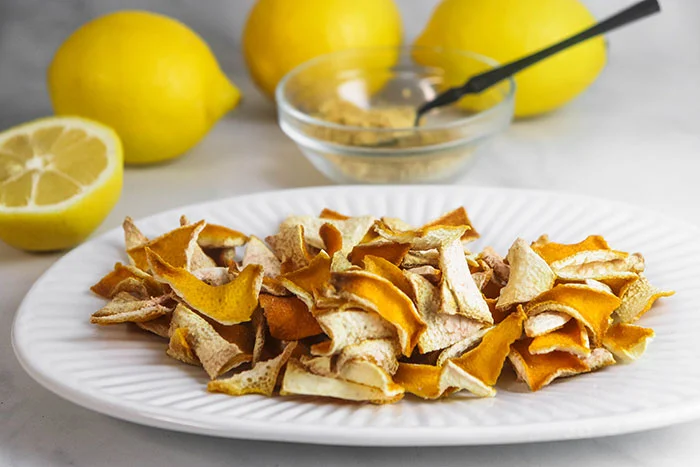
The vibrant orange of a freshly peeled citrus fruit can instantly brighten any kitchen. Beyond their luscious flesh, citrus peels hold a wealth of flavor adn potential. Drying citrus peel transforms the peel into a culinary goldmine, unlocking its aromatic essence and preserving its delectable tang for dishes both savory and sweet. Whether you’re a seasoned culinary enthusiast or a curious home cook, embarking on the journey of drying citrus peel opens a world of possibilities for your cooking adventures.
Drying Techniques: Unveiling Traditional and Innovative Methods
Traditional techniques:
Air drying: Simply spread citrus peels on a rack or wire tray and let the air circulate around them in a warm, dry location.This method is slow,but it retains the most natural color and flavor.
Oven Drying: Preheat the oven to the lowest setting (ideally around 200-250°F). Place citrus peels on a baking sheet and bake for 1-2 hours, ensuring regular rotation for even drying.
* Microwave Drying: Place a few slices of citrus peel on a microwave-safe plate with a paper towel underneath. Microwave on high for 30-60 seconds or until the peels are dry and pliable.
Enhancing Flavor and Aroma: The Science Behind Dehydration
Dehydration is a culinary technique that removes moisture from food, intensifying its flavor and aroma. when applied to citrus peels,dehydration transforms their bright,zesty notes into concentrated explosions of flavor. The process reduces the water content, leaving behind a higher proportion of essential oils and volatile compounds responsible for the peel’s distinct aroma. These concentrated flavors can add vibrant depth to desserts, beverages, and savory dishes. Whether drying peels in an oven, dehydrator, or sunny windowsill, this simple technique unlocks the hidden treasures of citrus, creating a culinary palette of vibrant zest and tantalizing aromas.
Pitfalls to Avoid: Ensuring Optimal Dry citrus Peel
- Premature Removal: Avoid removing the peel from the citrus fruit too early.Allow the peel to dry out fully on the fruit itself to enhance its flavor and prevent premature spoilage.
- Overzealous Grating: When zesting or grating, resist the urge to apply excessive pressure.This can result in the release of bitter oils from the white pith beneath the zest, detracting from the desired flavor profile.
- Improper Storage: After drying, store the citrus peel in an airtight container at room temperature. Avoid humid or overly dry environments, as they can accelerate spoilage or result in a loss of flavor and aroma.
Key Takeaways
As you embark on your zesty culinary adventures, remember that preserving citrus peels is an art form that transcends mere convenience. It’s a tribute to the vibrant flavors and fragrances that Mother Nature has bestowed upon us. Let the sweet tang of dried citrus peels permeate your creations, adding a touch of artistry and a symphony of flavors to every bite.