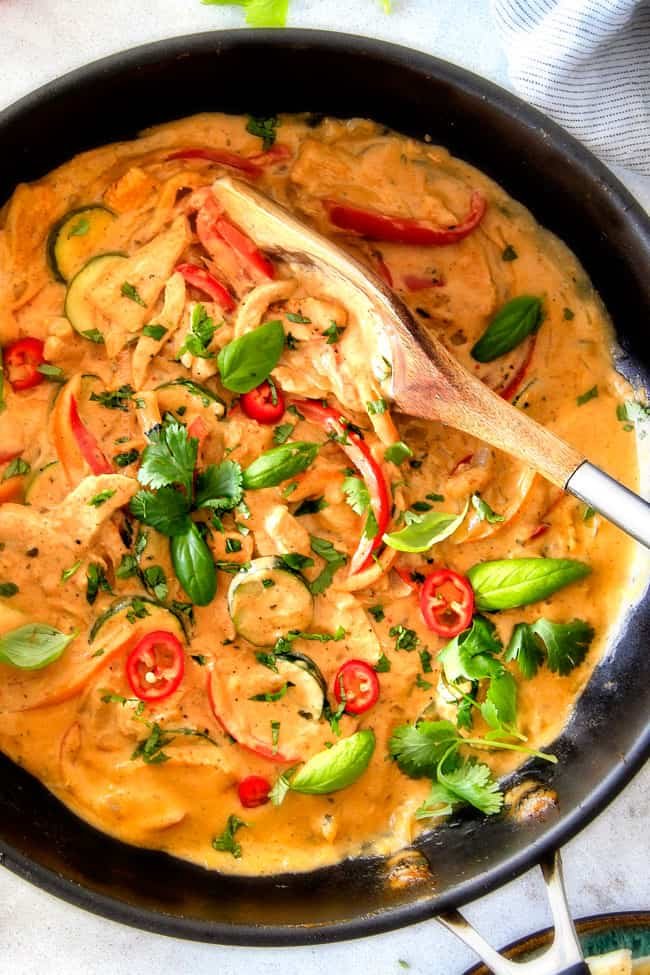
in the heart of Thailand’s culinary tapestry, where vibrant flavors dance and tantalize the taste buds, lies a culinary masterpiece that embodies the essence of the nation’s gastronomic heritage—Thai Red Curry. A symphony of aromatics, spices, and rich coconut milk, this beloved dish has captured the hearts and palates of countless food enthusiasts worldwide. Embark on a culinary adventure as we delve into the vibrant world of Thai Red curry, exploring its history, ingredients, varieties, and the tantalizing culinary journey it offers.
The Art of Balancing Flavors in Thai Red Curry
Balancing Flavors in Thai Red Curry
Thai red curry is a vibrant and aromatic dish known for its complex blend of flavors. The key too creating a perfectly balanced red curry lies in harmonizing the bold and spicy elements with the rich and creamy components. The base of the curry is typically made from a paste that combines fiery red chilies, fragrant galangal, earthy cumin, zesty lemongrass, and savory shrimp paste. These intense flavors are then balanced with the velvety textures of coconut milk and sweet palm sugar. The addition of vibrant vegetables, tender meats, and fresh herbs adds layers of sweetness, acidity, and freshness, creating a harmonious symphony of flavors that tantalizes the senses.
Unraveling the Complexity of Ingredients
Red curry paste, the quintessential element of Thai red curry, is an intricate blend of aromatics, spices, and herbs. The fiery heat of chili peppers provides a bold foundation, while the aromatic depth of galangal, lemongrass, and kaffir lime leaves adds a complex symphony of flavors. Coriander and cumin lend a warm earthiness, and turmeric contributes its shining yellow hue and subtle bitterness. Together, these ingredients weave an intricate tapestry of tastes that tantalize the palate and evoke the vibrant essence of Thai cuisine.
| Ingredient | Description | Taste Profile |
|—|—|—|
| Red Chiles | The heart of the curry, responsible for its intense heat and vibrant red color. | Fiery, pungent |
| Galangal | A relative of ginger, with a more intense, peppery flavor. | Pungent, spicy, earthy |
| lemongrass | Provides a bright, citrus notes. | Refreshing, citrusy, aromatic |
| kaffir Lime Leaves | Imparts a distinctive lime flavor with a hint of smokiness. | Citrusy, floral, earthy |
| Coriander | Adds a warm, earthy note. | Earthy, citrusy, spicy |
| Cumin | Provides a warm, nutty flavor. | Earthy, spicy, aromatic |
| Turmeric | Contributes to the curry’s yellow hue and earthy flavor. | Earthy, bitter, slightly peppery |
Regional Variations and Culinary Traditions
Across Thailand, variations on the classic red curry recipe are a testament to the nation’s rich culinary diversity. In the north,chefs favor robust flavors with liberal use of chili peppers and pungent spices,creating a fiery incarnation known as gaeng daeng. Central Thailand’s red curry showcases a more balanced profile, with a blend of sweet and sour notes from tamarind and palm sugar. The south offers a milder interpretation, often incorporating coconut milk for a velvety texture and tropical flair. In coastal regions,seafood takes center stage in red curry dishes,while in the Isaan region,the emphasis is on fermented fish sauce and sticky rice. Despite these regional variations, the foundational elements of red curry – aromatics, spicy chilies, and creamy coconut milk – remain ever-present, uniting Thailand’s culinary landscape under a sea of vibrant crimson.
insights and Conclusions
As the vibrant hues of Thai red curry dance upon yoru plate, casting an exotic allure, may its tantalizing flavors linger in your memory as a testament to the culinary brilliance of the Orient. Let the spice and sweetness harmonize in your palate,awakening a symphony of sensations.With each bite, embark on a culinary expedition that transports you to the bustling streets of Bangkok, where the aromas of fragrant herbs and sizzling wok oils fill the air. May this Thai red curry inspire you to explore the rich tapestry of flavors that await discovery in the kitchens of the world.