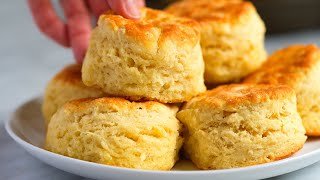
Fluffy, buttery, adn soaring high like majestic mountains, these tall and gluten free biscuits are the epitome of breakfast bliss. Step into a culinary adventure where every bite is a revelation,as we explore the secrets behind crafting these cloud-like wonders.
The art of Achieving Height and Fluffiness
To achieve the sought-after height and fluffiness, several crucial factors must be considered. First, ensure your buttermilk is properly prepared. Allow the milk to rest with lemon juice or vinegar for 10 minutes before using, as this reaction mimics the acidity of traditional buttermilk, contributing to optimal leavening. Second, handle the dough as little as possible. Overworking will result in gluten formation, diminishing the desired fluffiness. Finally,maintaining the correct baking temperature is essential. Ovens vary in accuracy,so its recommended to use an oven thermometer to ensure a stable temperature throughout the baking process.
Essential Ingredients for Gluten-Free Rise
Unlike traditional biscuits made with wheat flour,gluten-free requires a particular combination of ingredients to achieve the same rise and texture. Almond and tapioca flours provide the base structure and starchy texture, while baking powder and psyllium husk create lift and binding. Xanthan gum ensures an even and tender crumb, and dairy-free milk adds moisture and richness.
Mastering the Perfect Technique
Achieving tall and fluffy gluten-free biscuits requires meticulous attention to detail. Here are some key techniques to master:
- Fold, don’t knead: Unlike traditional wheat biscuits, gluten-free dough is delicate and can easily overwork.Gently fold the dough rather of kneading to avoid activating the gluten proteins and toughening the biscuits.
- Control the moisture: Gluten-free flour absorbs more moisture than wheat flour, so it’s essential to use the right amount of liquid. Add liquid gradually, and only until the dough just comes together.
- Cold ingredients: Chilling the ingredients before mixing helps prevent the biscuits from spreading too much during baking. Use cold butter, milk, and eggs for the ultimate flaky, tender texture.
- Pat, don’t roll: Instead of rolling out the dough, gently pat it into a circle. This method allows the biscuits to rise evenly without shrinking or becoming dense.
- Cut straight: cut the biscuits straight down with a sharp knife to prevent ragged edges. This helps them rise uniformly and ensures a perfect shape.
Troubleshooting for Optimal Biscuit Bliss
If your biscuits aren’t turning out as expected, fear not! Here are a few common troubleshooting tips to help you achieve biscuit perfection:
- Dry dough? Add a bit more milk or buttermilk.
- Wet dough? Gradually sprinkle in more gluten-free flour.
- Not tall enough? Make sure your baking powder is fresh.
- Too dense? Over-mixing can develop the gluten and make your biscuits tough.
- Burning around the edges? Lower the oven temperature.
- Hollow or raw inside? Bake for a few minutes longer.
- Dense ring around the edge? This can be caused by rising from escaping steam, so try scoring the biscuits before baking.
In Retrospect
As you bid farewell to our discourse on these culinary wonders, remember that the journey doesn’t end here. Each bite you take is a testament to your culinary prowess, a culinary adventure that knows no bounds.With these tall and fluffy gluten-free biscuits as your companions, you have the power to transform any meal into a majestic feast. So, step into the kitchen, embrace the joy of baking, and let the aroma of freshly baked biscuits fill your home. With each bite, savor the taste of freedom, the taste of creation. the world of gluten-free delicacies awaits,and you are its master.